
Most manufacturers evaluate kitting services based on labor costs alone. A warehouse quotes $2.50 per kit assembled, another offers $2.25, and the decision feels straightforward. The reality is considerably more complex.
Kitting services and assembly workflows affect order accuracy, fulfillment speed, inventory management, and total landed costs in ways that basic per-unit pricing doesn’t capture. One consumer electronics manufacturer discovered their “low-cost” kitting provider was generating 8% error rates, creating returns that cost $45,000 monthly in reverse logistics and customer service. Another company switched to a higher-priced assembly partner with quality controls and cut fulfillment cycle times by three days while improving accuracy to 99.7%.
The difference comes down to whether your packaging workflows create operational efficiency or introduce complexity that compounds through your entire distribution network. Supply chain complexity continues driving operational costs higher as manufacturers navigate tighter delivery windows and increasing SKU proliferation. The providers who get this right combine process design, quality assurance, and technology integration rather than competing purely on assembly labor rates.
When Simple Bundling Becomes Complex Assembly
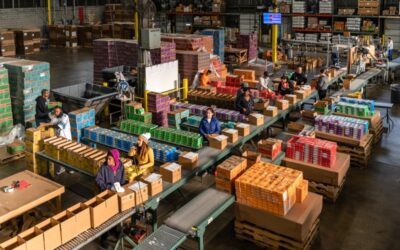
Kitting covers a spectrum from basic bundling to sophisticated assembly operations, and understanding where your products fall determines the capabilities you need from logistics partners. A promotional kit combining three pre-packaged items into a single box requires basic pick-and-pack coordination. A subscription box with twelve components, custom packaging inserts, personalized notes, and specific arrangement requirements demands process engineering and quality verification at multiple stages.
Consider a manufacturer producing outdoor recreation equipment. Their standard fulfillment involves shipping individual products from inventory. When they launched a “complete camping kit” combining tent, sleeping bag, cookware, and accessories from different SKUs, they assumed any warehouse could bundle the components. The first attempt produced 12% error rates because warehouse staff grabbed similar-looking items without verification systems. Customers received incomplete kits or wrong product combinations, generating complaints that damaged the new product line’s reputation before it gained market traction.
The manufacturer switched to specialized kitting services using barcode scanning at each assembly station, photographing completed kits before packaging, and conducting random quality audits. Error rates dropped to 0.3%. The per-unit cost increased $1.80, but eliminating returns and reshipments saved $4.20 per kit while protecting customer satisfaction metrics that directly affected repeat purchase rates.
The Hidden Costs of Poor Assembly Workflows
Assembly errors create cascading expenses beyond the immediate rework costs. A missing component triggers customer service calls averaging $12-15 in handling costs. Returns generate reverse logistics expenses, restocking labor, and inventory write-offs for damaged packaging. Replacement shipments incur additional freight charges and warehouse picking costs. The cumulative impact on a manufacturer shipping 5,000 kits monthly with 5% error rates exceeds $35,000 in unnecessary operational expenses.
Speed matters as much as accuracy. Fulfillment cycle time determines how quickly products reach customers and how much inventory stays tied up in the assembly queue. A beauty products company found their kitting provider needed seven days from component receipt to finished kit availability for order fulfillment. This delay forced them to maintain three weeks of safety stock to ensure product availability, tying up $280,000 in working capital. Switching to a partner with two-day assembly turnaround reduced required inventory by 40% while improving order-to-delivery performance.
Seasonal businesses face particular challenges when outsourcing kitting services. Labor availability and operational flexibility remain critical differentiators as demand fluctuates unpredictably. A gift basket manufacturer needed assembly capacity for 2,000 kits weekly during normal periods but required 12,000 weekly capacity during November and December. Partners without flexible staffing models and scalable workflows either declined the seasonal volume or charged premium rates that eliminated holiday profit margins.
What Separates Professional Kitting Services from Basic Bundling
Professional kitting services share several characteristics that distinguish them from basic bundling operations:
- Quality assurance processes verify component accuracy at multiple checkpoints rather than relying on final inspection alone
- Warehouse management systems track individual components through assembly, creating complete traceability for compliance and troubleshooting
- Standard operating procedures document exact assembly sequences, packaging requirements, and quality specifications to ensure consistency across shifts and personnel changes
Technology integration matters more as product complexity increases. Basic kits might succeed with paper pick lists and manual verification. Products requiring serial number tracking, lot code management, expiration date coordination, or regulatory documentation need automated systems capturing this information during assembly and associating it with finished kit SKUs. Food and beverage manufacturers particularly need this capability to maintain proper rotation and comply with traceability requirements.
Packaging engineering separates adequate assembly from optimized operations. A logistics partner that simply places components in boxes creates unnecessary shipping costs through inefficient dimensional weight. Providers who design packaging configurations minimizing void fill, protecting products appropriately, and optimizing box dimensions for carrier rate brackets reduce per-unit shipping expenses by 15-25% while improving product protection during transit.
Evaluating Assembly Partners Beyond Price Per Unit
Manufacturer partnerships succeed when evaluation criteria extend beyond labor rates to operational capabilities that affect total costs and customer experience:
- Error rates: The most critical metric, with targets varying by product complexity but generally requiring 99.5% accuracy or better for consumer-facing kits
- Cycle time: From component receipt to kit availability, which determines inventory requirements and order fulfillment speed
- Scalability: Whether partners can handle volume fluctuations without service degradation or emergency surcharges
Quality control processes should be observable and documented. Random sampling catches major problems but misses systematic errors affecting smaller percentages of production. In-line verification at each assembly stage, photographic documentation of completed kits, and statistical process control tracking defect trends over time indicate mature quality systems rather than reactive inspection approaches.
Technology capabilities become critical as SKU counts increase or products require traceability. Warehouse management systems should handle component inventory, kit bill of materials, assembly work order generation, and integration with order management platforms. Real-time inventory visibility prevents stockouts of assembly components that halt production. Lot tracking and serialization support compliance requirements and enable targeted recalls if quality issues surface.
Making Kitting Services Work Within Your Distribution Network
Assembly operations integrate most effectively when positioned strategically within distribution networks rather than treated as isolated services. Manufacturers often benefit from kitting near final distribution points rather than at manufacturing facilities, particularly when components ship from multiple suppliers or when finished kits serve specific regional markets with distinct product configurations.
This analysis, combined with network analysis and supply chain consulting, helps determine optimal assembly locations within your distribution footprint. The decision framework should account for component sourcing patterns, finished kit shipping destinations, inventory carrying costs at assembly versus distribution locations, and whether kit configurations vary by market or channel.
Kitting services and assembly workflows affect more than immediate labor costs. They determine order accuracy, fulfillment speed, inventory requirements, and customer satisfaction metrics that compound through your entire operation. The manufacturers who optimize these processes combine appropriate partner capabilities with clear quality standards and integrated technology rather than selecting providers purely on per-unit assembly rates.
If you’re evaluating kitting services providers or optimizing assembly workflows, Associated Warehouses connects manufacturers with vetted logistics partners across the United States, Canada, and Mexico at no cost to you. We start by understanding your kitting complexity and match you with providers who have the quality systems, technology capabilities, and scalability your operation requires. Reach out to discuss your specific needs.
Frequently Asked Questions
How do I know if my products need specialized kitting capabilities versus basic bundling?
Product complexity determines required capabilities. Basic bundling works for simple product combinations with minimal quality risk, such as three pre-packaged items placed in a box. Specialized kitting services become necessary when products require component verification, serialization tracking, lot code management, expiration date coordination, specific assembly sequences, custom packaging configurations, or regulatory documentation. If errors create significant customer service costs or compliance risks, invest in partners with quality verification systems rather than basic pick-and-pack operations.
What assembly error rate should I expect from professional kitting providers?
Professional operations consistently achieve 99.5% accuracy or better through proper quality controls. This translates to fewer than five errors per thousand kits assembled. Providers relying solely on final inspection typically see 2-5% error rates because mistakes get caught after assembly rather than prevented during the process. Partners using barcode verification at each assembly station, photographic documentation of completed kits, and statistical process control tracking should demonstrate accuracy above 99.7%. If quoted error rates exceed 1%, that indicates reactive quality approaches rather than systematic prevention.
How much does kitting complexity affect total fulfillment costs beyond assembly labor?
Assembly errors create cascading expenses that typically cost 3-5 times the basic per-unit assembly fee. Customer service handling for missing components averages $12-15 per incident. Reverse logistics for returns, restocking labor, and inventory write-offs add $8-12 per error. Replacement shipments incur additional picking and freight charges. A manufacturer with 5% error rates on kits costing $2.50 to assemble spends an additional $6-8 per error in remediation costs. This makes a higher-priced partner with 0.3% errors more economical than a budget provider with 5% errors despite the assembly rate difference.
What technology capabilities matter most for kitting operations?
Warehouse management systems that handle kit bill of materials, component inventory tracking, work order generation, and barcode verification at assembly stations prevent most quality problems. Real-time inventory visibility ensures component availability before assembly commitments. Lot tracking and serialization support compliance and enable targeted actions if quality issues surface. Integration with order management platforms eliminates manual data entry that introduces errors. Photographic documentation of completed kits provides quality evidence and resolves customer disputes. Partners without these capabilities rely on manual processes that scale poorly and introduce systematic errors as volume increases.
How should seasonal businesses handle kitting capacity fluctuations?
Partners with flexible staffing models and scalable workflows accommodate seasonal volume without premium pricing or service degradation. Cross-trained warehouse staff who shift between general fulfillment and kitting operations during peak periods provide capacity without dedicated assembly teams sitting idle during slow seasons. Temporary labor programs with documented training procedures ensure quality consistency when adding seasonal workers. Technology that simplifies assembly through visual work instructions and error-proofing verification reduces training time for temporary staff. Manufacturers should verify partners have successfully managed similar seasonal patterns before committing to relationships that fail during critical peak periods.
Should kitting happen at manufacturing facilities or distribution centers?
Assembly location depends on component sourcing patterns and finished kit destinations. Kitting near manufacturing works when all components originate from that facility and kits serve national distribution. Assembly at regional distribution centers makes sense when components ship from multiple suppliers or when kit configurations vary by market. Products requiring fresh components or having short shelf lives often benefit from assembly closer to final customers rather than early in the distribution network. Analyze total costs including component transportation, finished kit shipping, inventory carrying costs at different locations, and whether postponing final assembly until regional warehouses provides customization benefits that offset complexity.