A food manufacturer was minutes away from running out of the shippers it needed to keep a production line moving. Without a fast delivery of replacement packaging material, the line would stop, and every hour of downtime would carry a real cost in wasted labor and missed output. Enter Distributors Terminal, a Midwest 3PL and member of the AWI Network, whose transportation and warehousing team activated a 3PL emergency response before the shortage became a shutdown.
The Challenge: Minutes Between Normal Operations and a Shutdown
A production line shutdown was minutes away, and the cost of waiting on a traditional approval chain would have been real. The manufacturer was almost out of the shippers required to package and move product off the line. Once that supply ran dry, the plant would have had no choice but to stop production entirely, with every hour of downtime adding to the cost.
Traditional logistics processes often introduce delay exactly when speed matters most. Multiple layers of approval, handoffs between departments, and slow communication can turn a routine shortage into a full production stoppage. This situation called for something different: immediate coordination between transportation and warehouse teams, fast access to inventory, and a driver ready to move without waiting on sign-off from several levels up.
“Our team knows they don’t need to wait on someone else’s approval to do the right thing for a customer. That kind of trust is what makes a partnership work, not just a transaction.”
— Andy Hendricks, President, Distributors Terminal
The Solution: What 3PL Emergency Response Looks Like in Practice
Distributors Terminal’s transportation and warehousing team activated its 3PL emergency response the moment the shortage came in. A company driver assigned to the account was contacted directly by the customer and appraised of the situation. From there, the response moved fast because the company’s decentralized decision-making model let frontline employees act without waiting for multiple layers of approval.
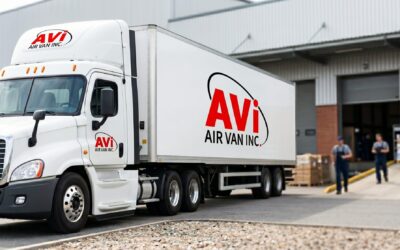
- The driver, who was enroute to the customer with another load, immediately turned around, drove back to the warehouse, dropped his loaded trailer, grabbed an empty trailer, and picked and loaded the required shippers
- The driver was empowered to make the call and acted immediately, without waiting on multi-layer approval
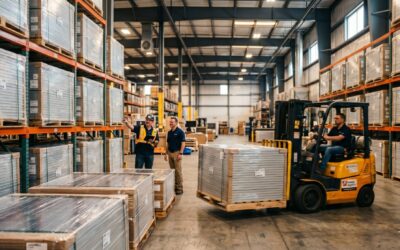
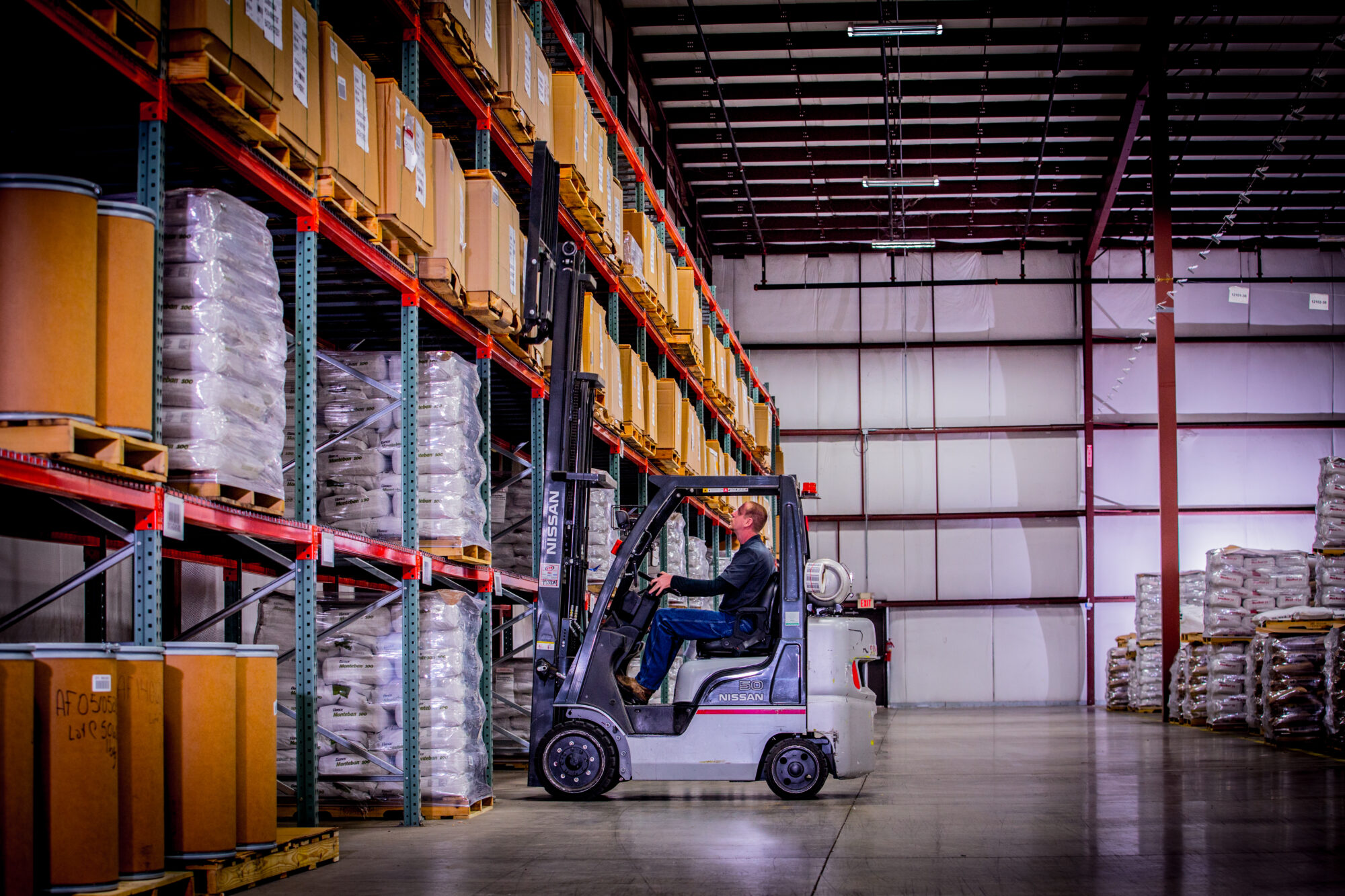
- Cross-trained drivers, certified to operate lift trucks, loaded the trailer to save time
- The load was delivered directly to the manufacturing plant, transportation and warehousing working as one team
“When a customer is about to shut down a production line, minutes matter. Our drivers are trained to load the trailer themselves so we’re not waiting on anyone else to move product out the door.”
— Andy Hendricks, President, Distributors Terminal
The Results: A Shutdown Avoided in Under an Hour
The 3PL emergency response worked. Replacement shippers reached the plant in about an hour from the moment the shortage was flagged, well within the window needed to keep the line running. As a result, the food manufacturer never had to shut down production.
- Production continued without a single line stoppage
- The customer avoided the cost and disruption of a shutdown
- Operations continued without interruption or downstream delays
- The response validated the value of empowered, frontline decision-making
Why It Matters: What 3PL Emergency Response Requires
This case shows what a 3PL emergency response actually requires. It isn’t a checklist or a software dashboard. It’s a driver willing to turn around, a team that already knows the account, and a company culture that trusts frontline employees to act. Packaging material disruptions, like the shortages reshaping the industry right now, make this kind of readiness more valuable, not less.
For manufacturers evaluating a 3PL, the real question isn’t whether a provider can handle normal volume. It’s whether that provider can move just as fast when something goes wrong. Supply chain risk is only becoming a bigger factor in 2026, and slow handoffs are exactly the kind of friction that turns a small supply gap into a costly shutdown.
So manufacturers assessing partnership risk should ask how a 3PL empowers its own team, not just what equipment or square footage it has. Our guide on taking control of 3PL partnership risk covers more of what to look for. A provider with cross-trained staff and decentralized decision-making is built to respond, not just to store inventory.
Contact AWI for Expert Guidance
Distributors Terminal’s rapid-response team turned a potential shutdown into a non-event, and that kind of responsiveness is exactly what AWI looks for in a partner. If your manufacturing operation needs a 3PL that can move fast when it matters most, reach out to Associated Warehouses to start the conversation. The service is free for manufacturers.